Azure Communication Services – A Cloud-Based Communication Platform for Modern Applications

In today’s digital-first world, real-time communication has become a core requirement for modern applications. Whether it is voice and video calling, instant messaging, SMS notifications, or transactional email, users increasingly expect seamless and embedded communication experiences. Azure Communication Services (ACS) is Microsoft Azure’s cloud-based communication platform that enables developers and enterprises to easily build these capabilities directly into their applications.
Built on the same reliable infrastructure that powers Microsoft Teams, Azure Communication Services provides a set of APIs and SDKs that allow organizations to create scalable, secure, and globally available communication experiences without the complexity of building and maintaining communication systems from scratch.

Azure Communication Services

What is Azure Communication Services?

Azure Communication Services is a collection of cloud-based communication APIs that enable developers to add voice, video, chat, SMS, and email capabilities into web, mobile, and desktop applications. ACS is designed to be flexible and developer-friendly, supporting both REST APIs and client SDKs for popular programming languages and platforms.
With ACS, organizations retain full control over user identity, authentication, and application logic, while Azure manages the underlying communication infrastructure. This separation allows teams to focus on building business value rather than managing telephony systems, media servers, or global network connectivity.

Azure Communication Services

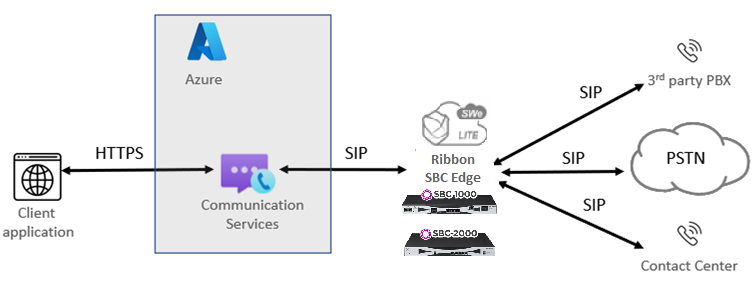
Đấu Direct Routing với Ribbon SBC cho phép doanh nghiệp có thể khai thác dịch vụ thoại sử dụng các tính năng cao cấp của ACS và tích hợp vào ứng dụng của doanh nghiệp như Dynamic 365, các ứng dụng CSKH ….

Azure communication service

Core Capabilities of Azure Communication Services

Azure Communication Services delivers a comprehensive set of communication features that support a wide range of real-world scenarios:

Voice and Video Calling

ACS enables high-quality, low-latency voice and video calling directly within applications. It supports one-to-one and group calls, making it suitable for use cases such as virtual meetings, customer consultations, telehealth sessions, and remote collaboration. Calls are powered by Azure’s global network, ensuring reliability and consistent performance across regions.

Real-Time Chat

The chat service allows developers to build real-time messaging experiences, including one-on-one and group conversations. Features such as message history, typing indicators, and user presence can be integrated to create rich, interactive chat interfaces. This capability is ideal for customer support platforms, internal collaboration tools, or community applications.

SMS Messaging

Azure Communication Services provides SMS capabilities that allow applications to send and receive text messages globally. This feature is commonly used for sending one-time passwords (OTP), transaction alerts, appointment reminders, and system notifications. ACS integrates seamlessly with other Azure services such as Event Grid and Logic Apps to enable event-driven messaging workflows.

Email Services

ACS includes a production-ready email service that enables applications to send high-volume, reliable email communications. Developers can send emails from verified domains, manage sender reputation, and track delivery and engagement metrics. This makes ACS suitable for transactional emails, notifications, and customer communications without requiring a separate email service provider.

Phone Numbers and PSTN Connectivity

Beyond internet-based communication, ACS supports provisioning and managing phone numbers that can send and receive SMS or connect to the Public Switched Telephone Network (PSTN). This allows applications to interact with users who are not online or who prefer traditional phone communication, expanding the reach of digital services.

Microsoft Teams Interoperability

One of the standout features of Azure Communication Services is its ability to interoperate with Microsoft Teams. This enables ACS-based applications to communicate directly with Teams users, allowing scenarios such as external users joining Teams meetings or customer-facing applications connecting to internal Teams-based support staff.

Key Benefits of Azure Communication Services

ACS provides well-documented APIs and SDKs that simplify the process of adding communication features to applications. Developers can quickly prototype, build, and deploy communication-enabled solutions without needing specialized expertise in real-time media or telephony systems.

Built on Azure’s global cloud infrastructure, Azure Communication Services automatically scales to support applications of any size—from small startups to enterprise-scale platforms. This ensures consistent performance even during peak usage periods or rapid user growth.

ACS follows a pay-as-you-go pricing model, allowing organizations to pay only for what they use. This flexibility helps control costs and eliminates the need for large upfront investments in communication infrastructure.

Common Use Cases

Azure Communication Services can be applied across a wide range of industries and scenarios, including ;

Customer Support Platforms

Embed chat, voice, or video directly into applications to improve customer engagement and resolution times.

Telehealth Solutions

Enable secure video consultations between healthcare professionals and patients.

E-commerce Applications

Send order confirmations, delivery updates, and promotional messages via SMS and email.

Enterprise Applications

Integrate communication features into internal tools for collaboration and operational efficiency.

Azure Communication Services is a powerful and flexible cloud communication platform that enables organizations to embed real-time communication capabilities directly into their applications. By offering voice, video, chat, SMS, email, PSTN connectivity, and Microsoft Teams interoperability on a single platform, ACS helps businesses deliver richer user experiences while reducing development complexity and operational overhead.

For organizations looking to build scalable, secure, and modern communication-enabled applications, Azure Communication Services provides a robust foundation backed by Microsoft’s global cloud infrastructure and enterprise-grade reliability.